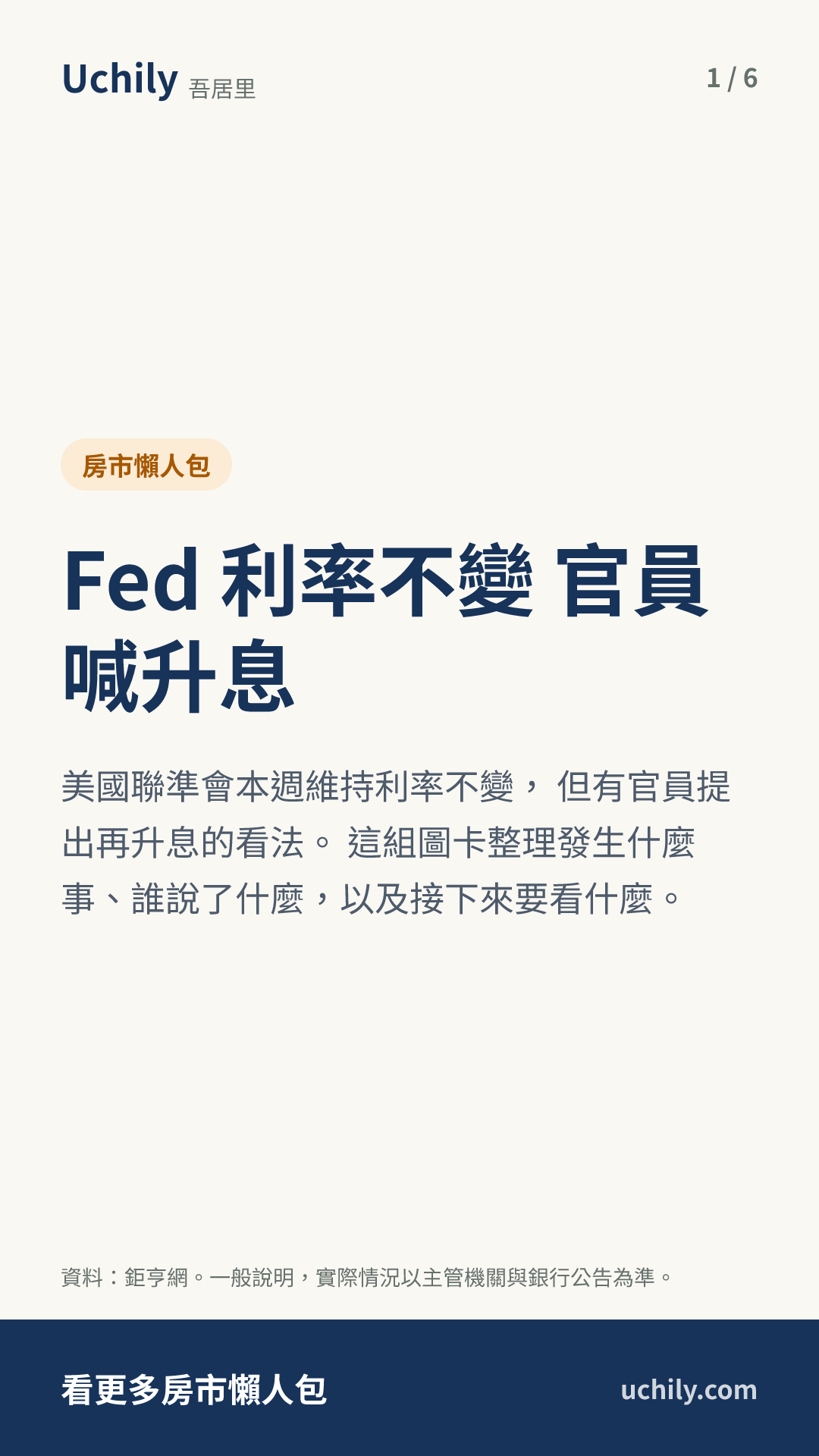
Fed Holds Rates at 3.75% to 4.00%; Several Officials Call for Another Hike in December
The Federal Reserve held rates steady this week. The presidents of the Federal Reserve Banks of Dallas and St. Louis then signaled rate hikes, and market expectations for a December hike have risen.

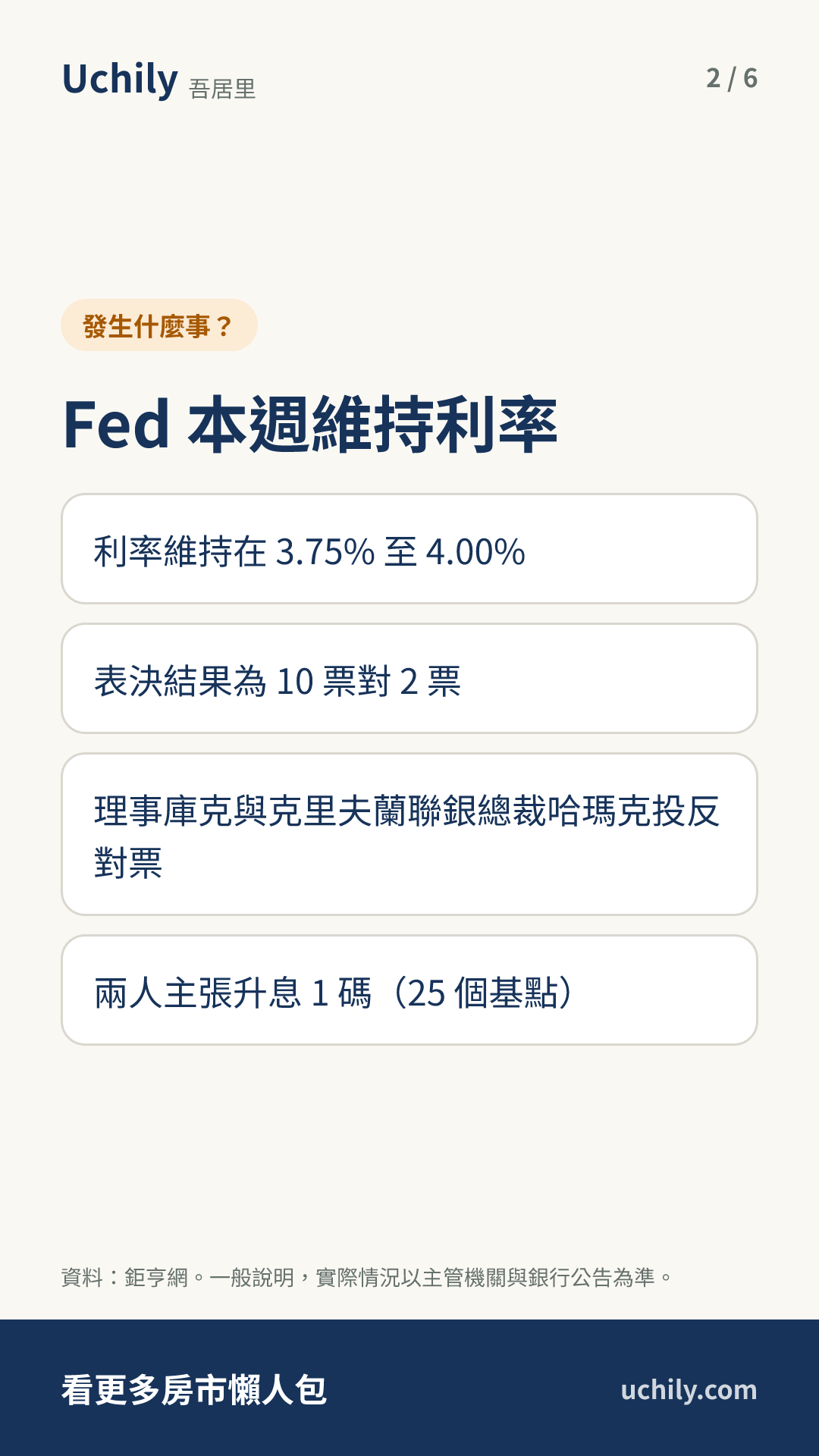
- Cnyes reports that the U.S. Federal Reserve held rates at 3.75% to 4.00% this week, and two Fed presidents then signaled rate hikes.
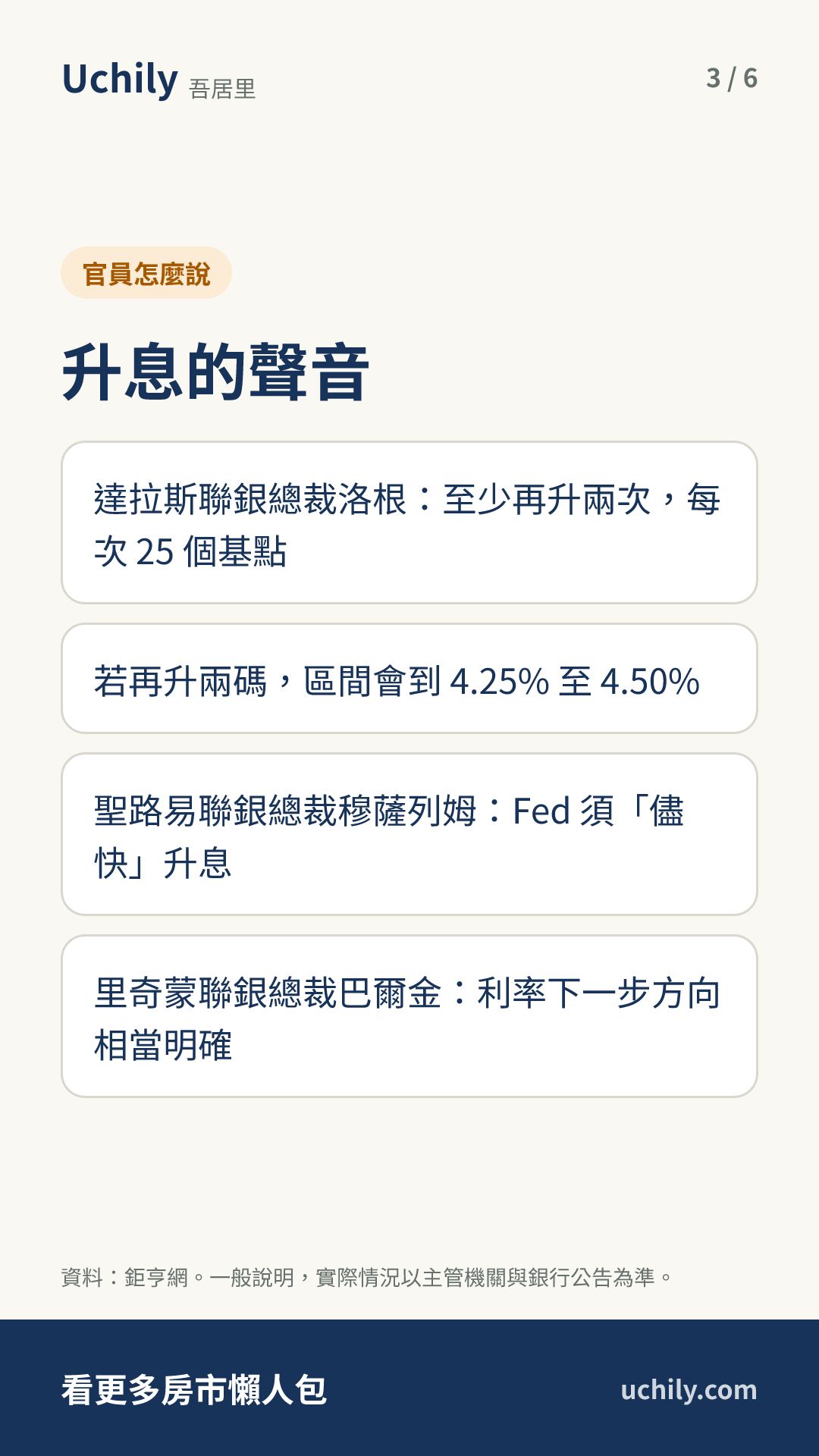
- Dallas Fed President Logan said in prepared remarks that the Fed needs to raise rates at least two more times, by 25 basis points each time.
- The CME Group's FedWatch tool shows the market expects about a 73% chance of a Fed rate hike in December.
After its meeting this week, the U.S. Federal Reserve left the federal funds rate target range at 3.75% to 4.00%, with a vote of 10 to 2. Governor Cook and Cleveland Fed President Hammack dissented, saying rates should be raised by one quarter point, or 25 basis points.
Dallas Fed President Logan holds an FOMC vote this year and cast a vote in favor of holding rates this week; at the July meeting, she had argued for a hike and dissented from the decision to hold rates steady at that time. In prepared remarks at Davidson College, she said at least two hikes of 25 basis points each would be needed before pausing to assess economic and financial conditions. She said that pausing once and ultimately adding at least half a percentage point are not in conflict, and that the key is the pace. If rates were raised by two quarter points in this way, the range would reach 4.25% to 4.50%.
St. Louis Fed President Musalem said on Friday (the 30th) that U.S. inflation remains high and that the Fed needs to raise rates again "as soon as possible." In his remarks, he said inflation continues to exceed the 2% target and that risks remain tilted to the upside; the remarks were written for an event of the Shadow Open Market Committee, and he has no policy vote this year. He believes that making a small move now, while inflation expectations have not yet spun out of control, would better protect employment and economic growth than being forced to tighten sharply later.
Musalem noted that third-quarter GDP growth, published on Thursday, was 3.4%, showing the resilience of the U.S. economy; the unemployment rate was 4.2%, in line with the median of Fed officials' longer-run projections. In addition, the year-over-year rate of September PCE, both headline and core, reached its highest level since May, and headline PCE inflation has now exceeded the 2% target for 68 consecutive months.
Richmond Fed President Barkin, in an interview with SiriusXM the same day, said that with prices high, demand strong and unemployment relatively low, the next direction for interest rates is quite clear. Fed Chair Warsh said this week that progress has been made in curbing inflation but prices have not yet stabilized, and he did not disclose his thinking on the decision at the December 8 to 9 meeting. That meeting is the Fed's last policy meeting this year.
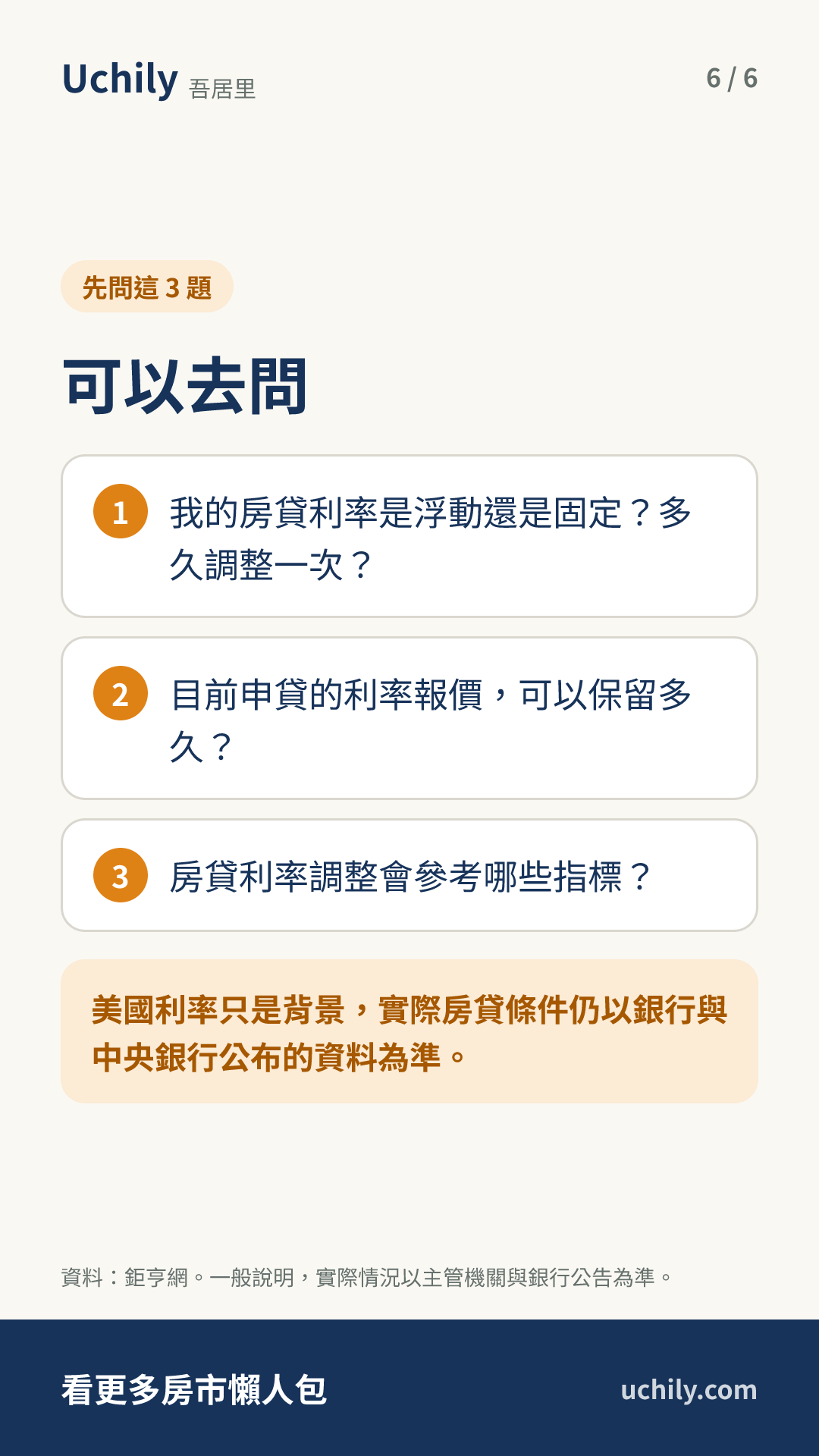
This concerns U.S. interest rates and has no direct connection to Taiwan's housing market; it can only serve as interest rate background. People who already have a mortgage or are preparing to apply for one can watch the outcome of the Fed's December 8 to 9 meeting. To understand the direction of domestic interest rates, check the data published by the Central Bank separately.
Quick quiz
2 questions; pick an answer to see the explanation
- Where did the U.S. Federal Reserve decide this week to keep the federal funds rate target range?
- In his prepared remarks, what did Dallas Fed President Logan say the Fed needs to do at least?
Image cards
6 cards. Tap to enlarge; save and share with friends


Original:鉅亨網 · We only post summaries and key points. Read the original for the full story.
This week’s news, sorted for you
One Uchily newsletter a week, picking out what actually affects your wallet.
Subscribing creates a Uchily account with this email; open the link in the email to finish. You can unsubscribe from any email.